When we think about memorials, the image that often comes to mind is a simple, weathered headstone. However, the world of memorialization has evolved significantly over the years. Today, families seek more personalized, durable, and meaningful ways to honor their loved ones. From traditional carvings to contemporary materials, cemetery stones designs now reflect both heritage and innovation.
The Evolution of Cemetery Stone Designs
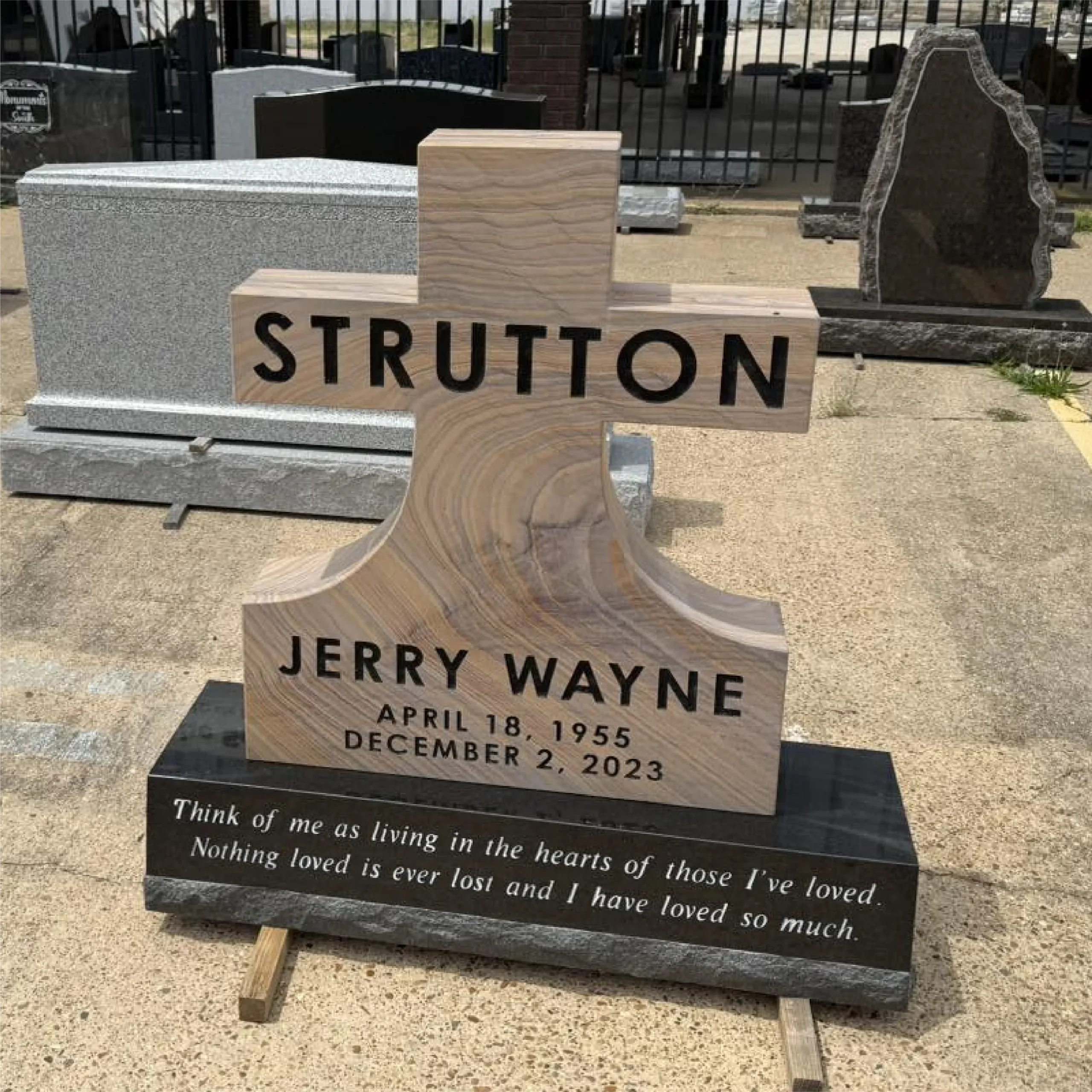
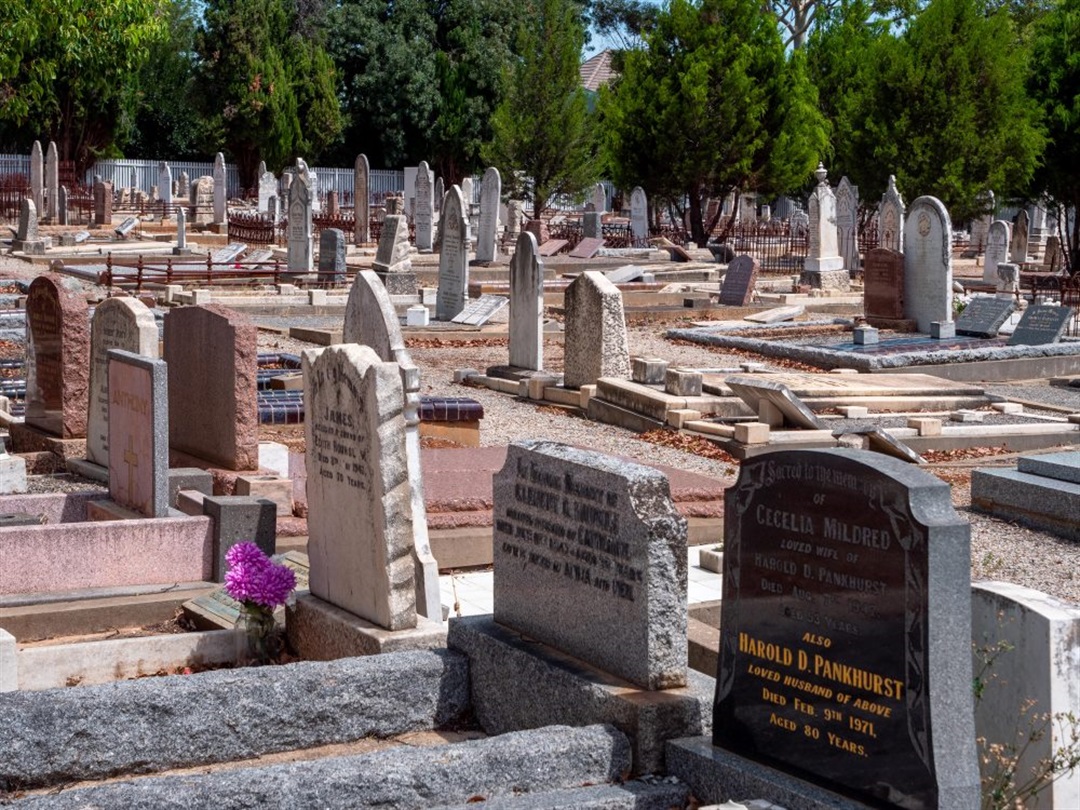
Historically, cemetery stones were primarily made from natural materials like granite, marble, or limestone. These stones were chosen for their availability and durability. Over time, craftsmanship improved, and artisans began incorporating intricate carvings, religious symbols, and inscriptions that told a story about the deceased.
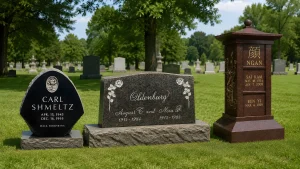
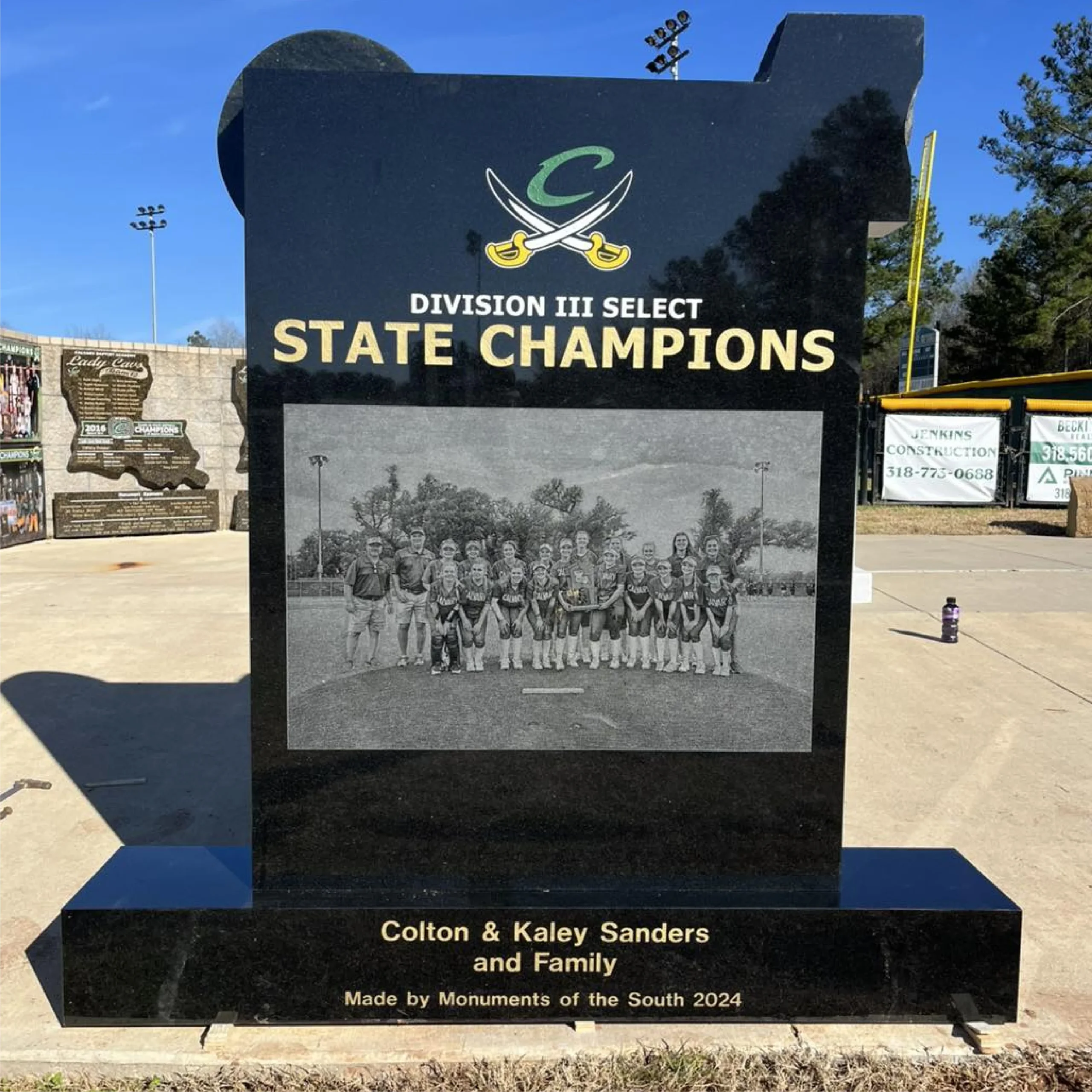
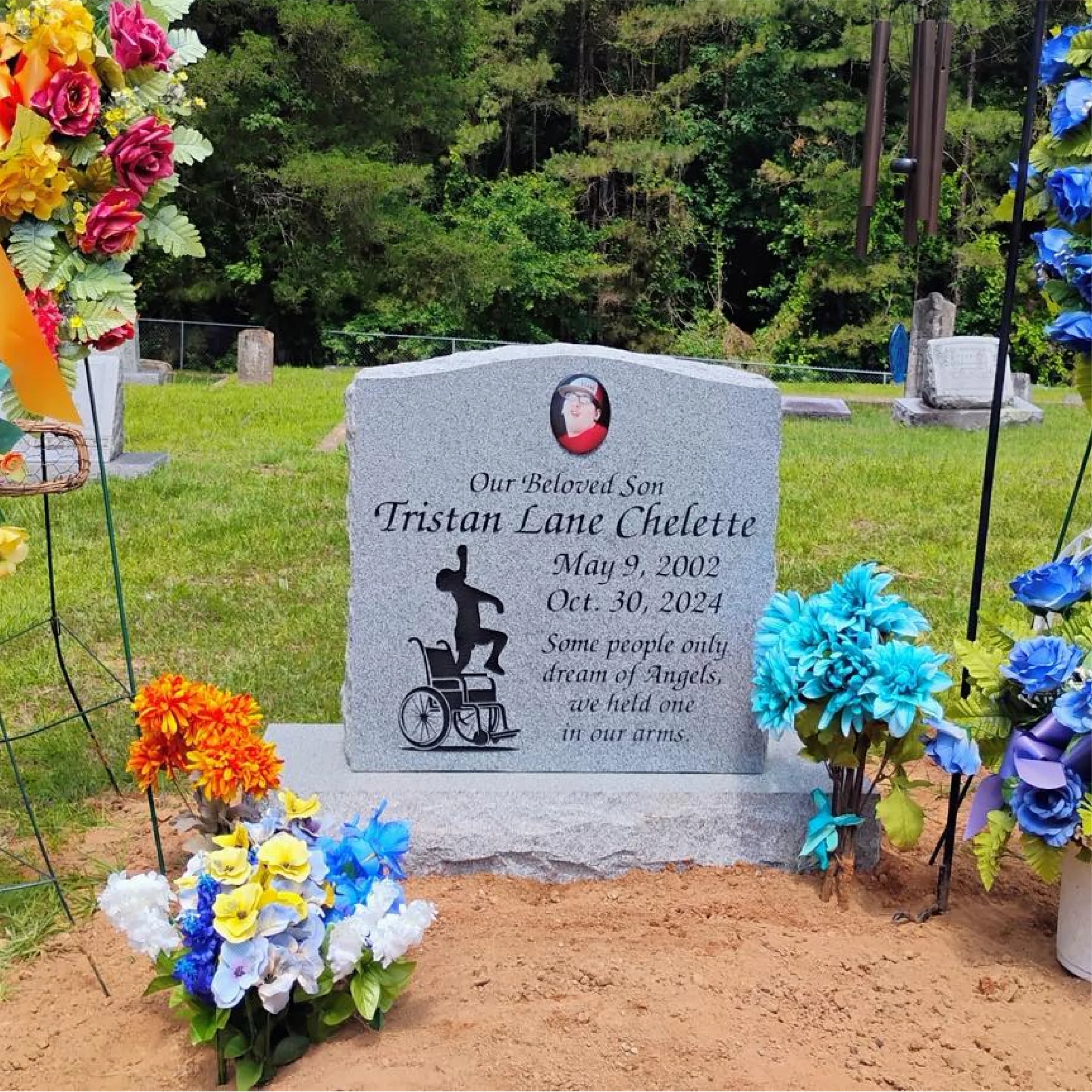
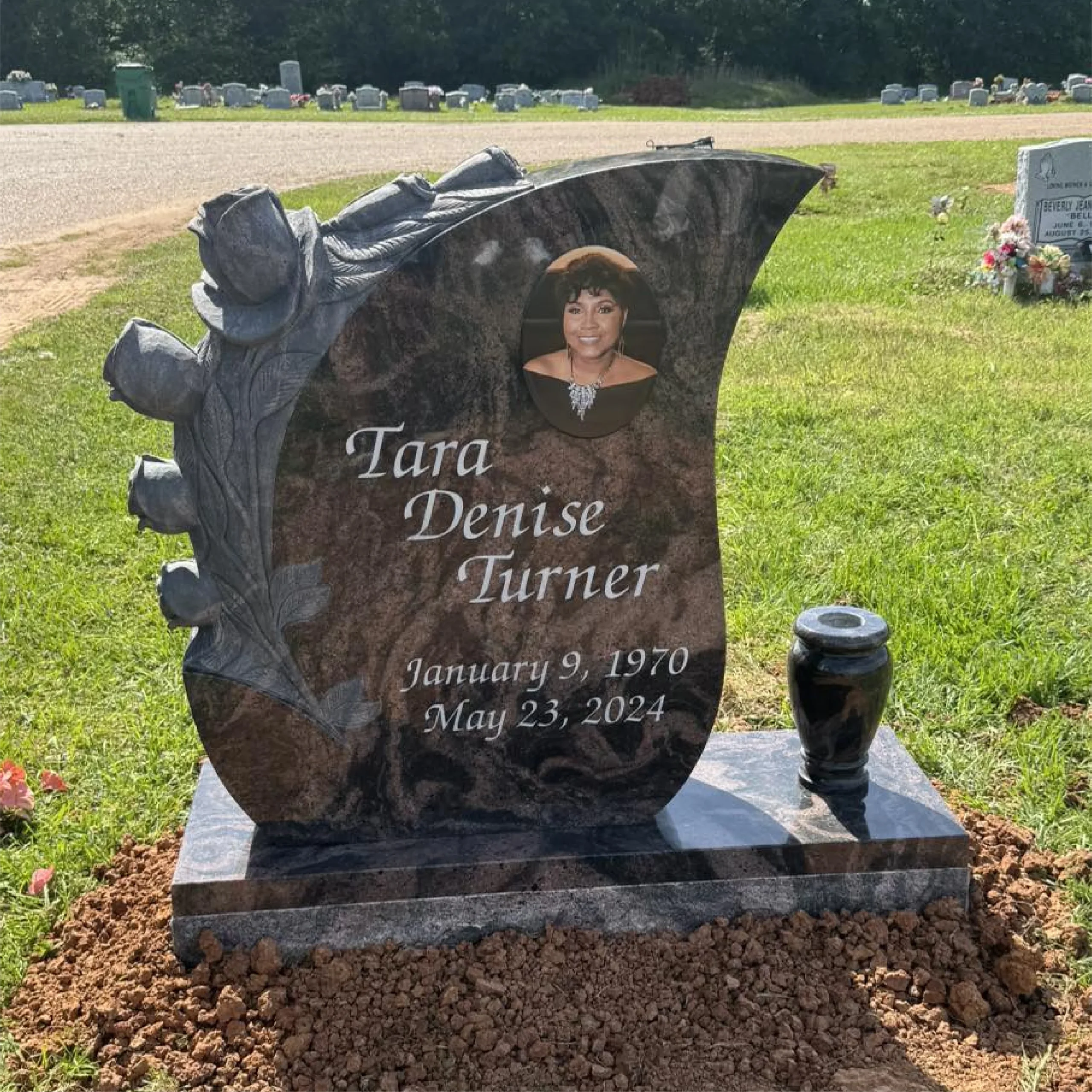
In modern times, cemetery stones designs have become more diverse and expressive. Families now have the option to include laser-etched portraits, custom shapes, and even symbolic artwork that reflects hobbies, beliefs, or life achievements. This shift represents a broader cultural move toward personalization rather than uniformity.
Traditional vs. Contemporary Designs for Headstones
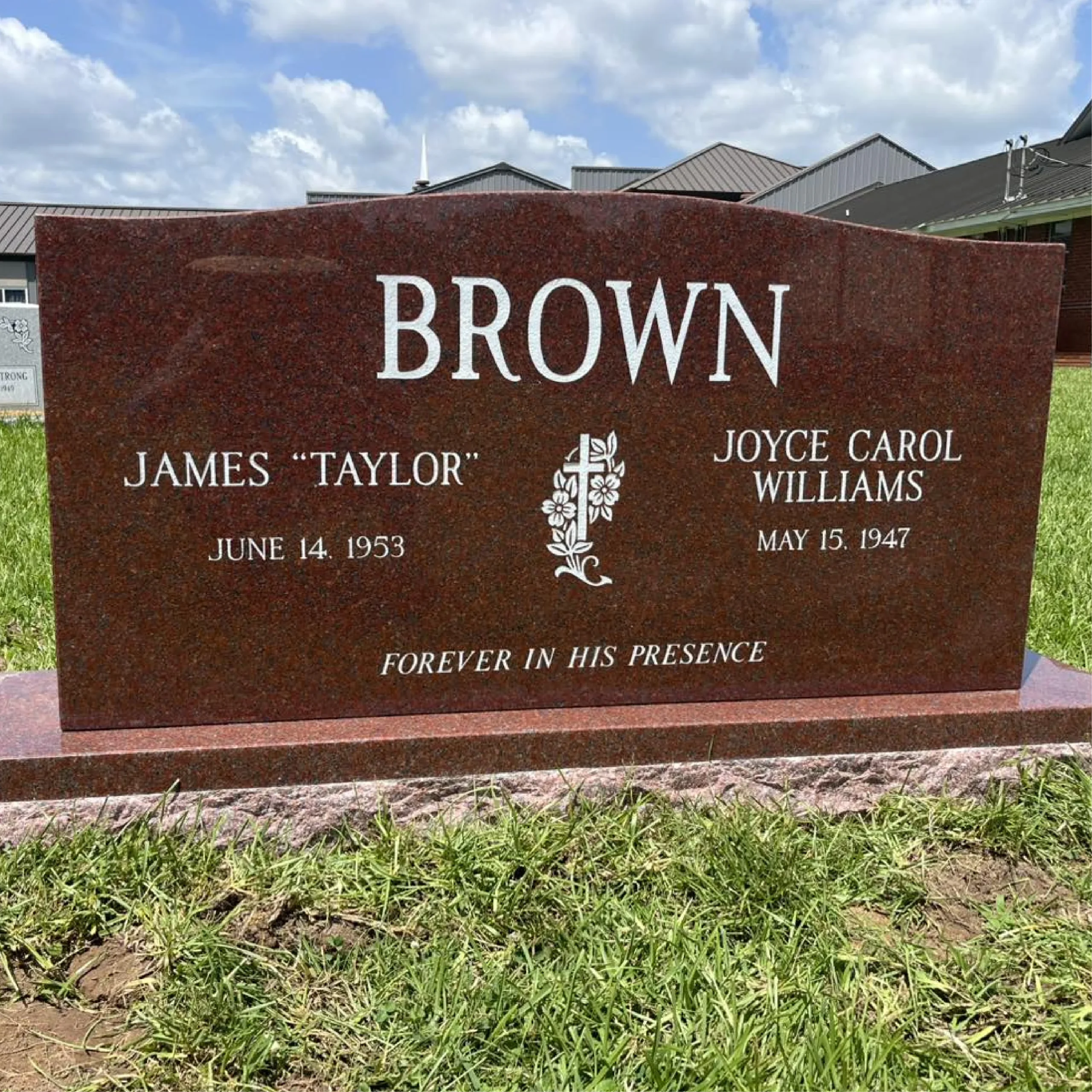
There is still a strong appreciation for traditional designs for headstones. Upright monuments with engraved names, birth and death dates, and simple epitaphs remain popular, especially in older cemeteries where uniformity is required. These designs convey a timeless elegance and respect for tradition.
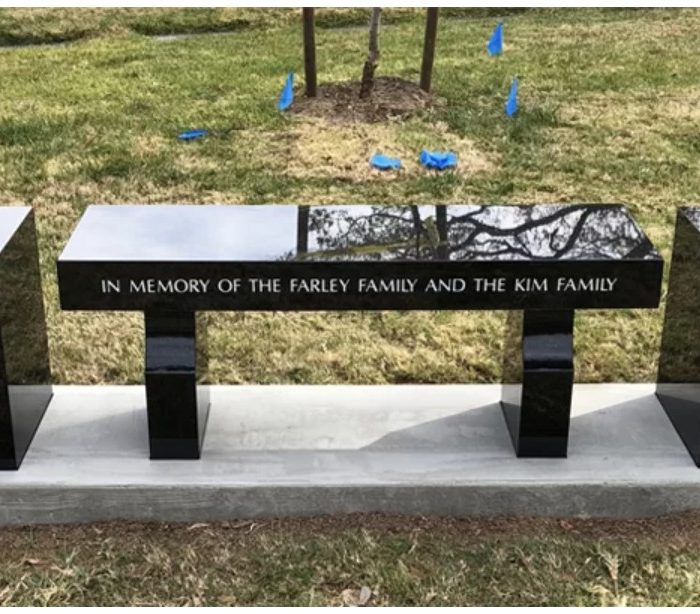
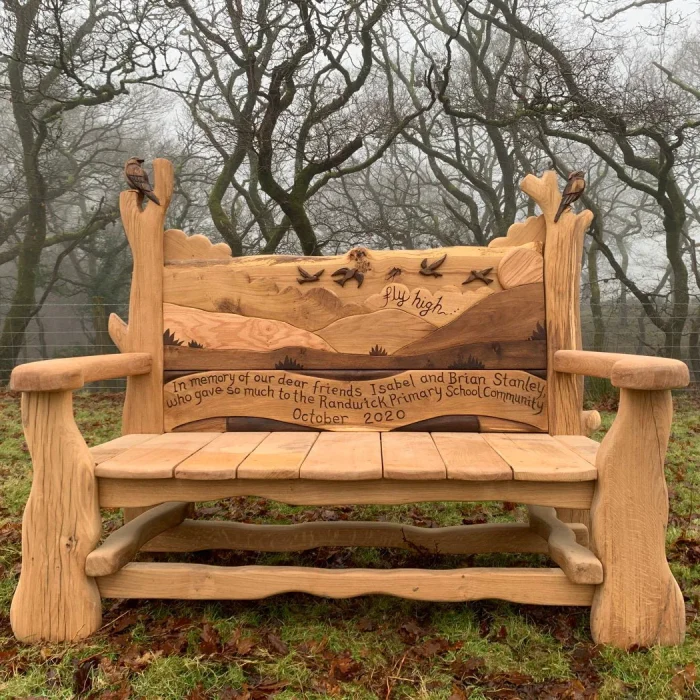
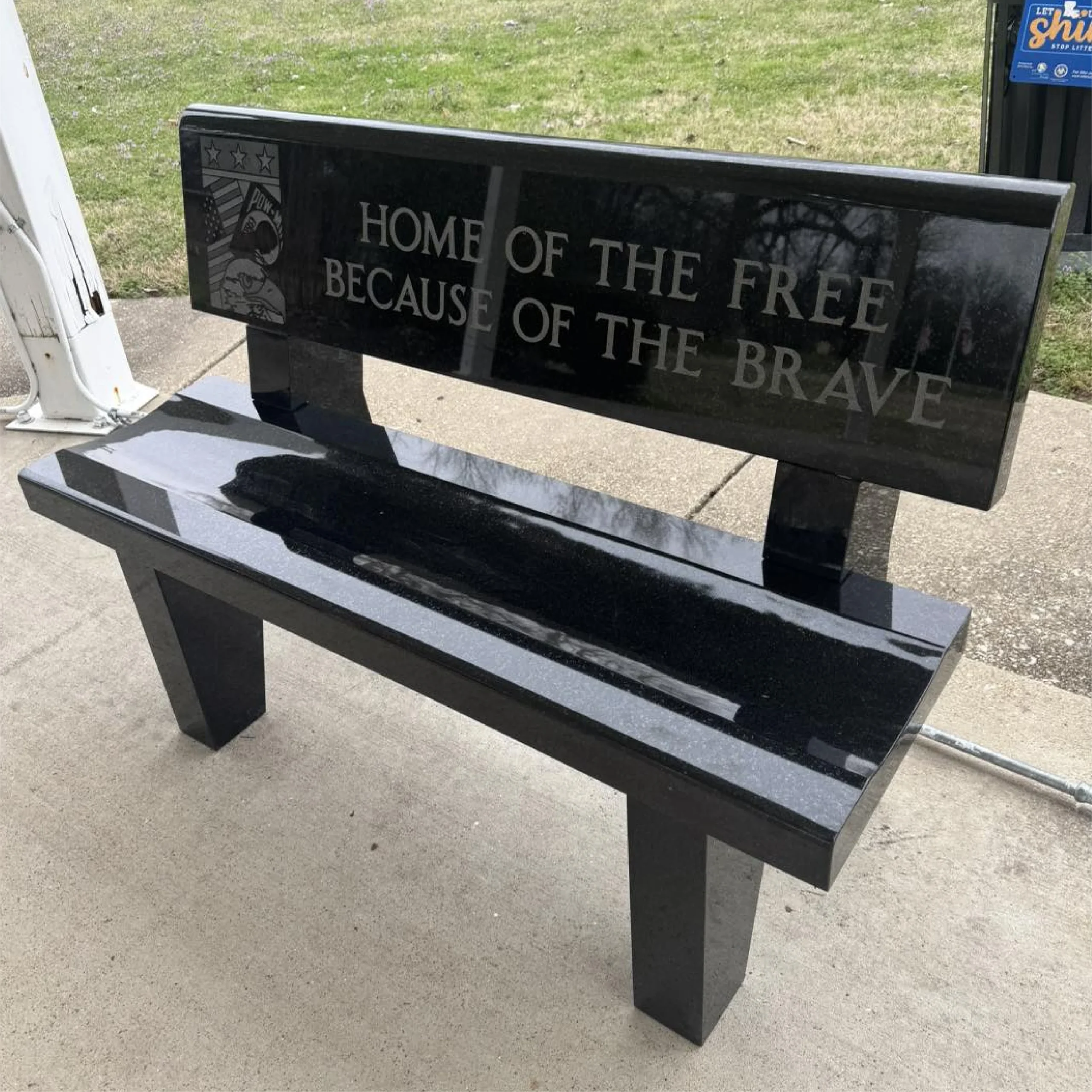
On the other hand, contemporary designs for headstones are breaking conventional boundaries. Flat markers, slanted stones, and uniquely shaped monuments are increasingly common. Some families opt for heart-shaped stones, benches, or even sculptural memorials. These modern designs allow for creativity while still maintaining a respectful tone.
Additionally, color variations in granite – such as black, gray, red, and blue – offer further customization. Polished finishes, matte textures, and combinations of materials provide endless design possibilities. The goal is no longer just to mark a resting place but to celebrate a life in a visually meaningful way.
The Rise of Stainless Steel Headstones
One of the most notable innovations in recent years is the introduction of stainless steel headstones. Unlike traditional stone materials, stainless steel offers a sleek, modern aesthetic along with exceptional durability.
Stainless steel headstones are resistant to corrosion, weather damage, and fading. This makes them particularly suitable for regions with harsh climates, where traditional stones may deteriorate over time. Their reflective surface can also be engraved with high precision, allowing for detailed text and imagery.
Another advantage is low maintenance. While granite and marble may require periodic cleaning and care, stainless steel headstones maintain their appearance with minimal effort. This appeals to families who want a long-lasting memorial without ongoing upkeep.
Despite their modern appeal, stainless steel headstones are often combined with traditional elements, such as stone bases or engraved plaques, creating a harmonious blend of old and new.
Personalization and Symbolism
Modern cemetery stones designs emphasize storytelling. Every element – from the shape to the inscription – can carry meaning. Religious symbols, floral patterns, and cultural motifs are commonly used to reflect the beliefs and identity of the deceased.
For example, a musician might have a headstone engraved with musical notes, while a nature lover could be honored with images of trees or landscapes. These personal touches transform a simple monument into a lasting tribute.
Technology has also played a role in personalization. QR codes can now be added to headstones, linking visitors to digital memorial pages that include photos, videos, and life stories. This fusion of physical and digital remembrance is redefining how we connect with those who have passed.
Choosing the Right Design
Selecting the right design involves several considerations. Budget, cemetery regulations, cultural preferences, and environmental conditions all play a role. It’s important to strike a balance between aesthetic appeal and practicality.
Granite remains a popular choice due to its durability and classic appearance, but stainless steel headstones are gaining traction for their modern look and resilience. Families should also consider the level of customization they want, as more intricate designs may require additional time and cost.
Working with experienced monument designers can help ensure that the final product meets both emotional and practical needs. A well-designed headstone serves not only as a memorial but also as a place for reflection and remembrance for generations to come.
FAQs
1. What materials are best for cemetery stones designs?
Granite is the most commonly used material due to its strength and longevity. However, stainless steel headstones are becoming popular for their modern appearance and resistance to weather damage.
2. Are customized designs for headstones more expensive?
Yes, highly customized designs for headstones – such as unique shapes, detailed engravings, or added features – can increase the cost. However, there are options available for different budgets.
3. How long do stainless steel headstones last?
Stainless steel headstones are extremely durable and can last for decades without significant wear, making them a long-term investment.
4. Can I include images or portraits on a headstone?
Yes, modern cemetery stones designs often include laser-etched images or portraits, allowing for a more personal tribute.
5. Do cemeteries have restrictions on headstone designs?
Many cemeteries have guidelines regarding size, material, and style. It’s important to check with the cemetery administration before finalizing a design.