Losing someone you love is never easy. After cremation, families often look for meaningful ways to remember the person they have lost and create a lasting tribute to their life. There is no single right way to memorialize someone after cremation. A meaningful memorial can take place at home, outdoors, at a cemetery, or during a formal memorial service with family and friends.
At Monuments of the South, we believe memorialization should reflect the personality, memories, and wishes of the person being honored. Whether you choose a permanent monument or a more personal tribute, the goal is to create a place or tradition where memories can continue for generations.
What to Do for Someone Who Lost a Loved One?
If someone you care about has lost a loved one, one of the most valuable things you can offer is your presence and support. Grief does not follow a specific timeline, and people may need different types of support at different stages.
Consider helping with practical responsibilities, preparing a meal, listening to memories, or simply spending time with them. You can also help the family plan a meaningful tribute after cremation.
A memorial gift can be another thoughtful gesture. Personalized keepsakes, flowers, photographs, memorial artwork, or a donation made in the deceased person’s name can provide lasting comfort.
Most importantly, avoid pressuring someone to “move on.” Remembering and talking about the person who died can be an important part of the grieving process.
What Is a Memorial Service for a Deceased Person?
A memorial service for a deceased person is a gathering where family and friends come together to remember, honor, and celebrate their life. Unlike a traditional funeral, a memorial service often takes place after cremation and does not necessarily involve the presence of the body.
A memorial service can be formal or informal. Families may choose to include:
- Favorite photographs and videos
- Music that was meaningful to the deceased
- Readings, poems, or prayers
- Stories and personal memories
- A display of personal belongings
- Religious or spiritual traditions
- A reception or shared meal
The service can take place at a funeral home, place of worship, cemetery, private residence, community venue, or another location that had special meaning to the deceased.
There is no required format. The most meaningful memorial services are often those that reflect the person’s personality, values, interests, and relationships.
Create a Home Memorial
A home memorial can provide a private and accessible place for remembering someone after cremation. Families may create a small memorial area containing photographs, cremation urns, meaningful objects, flowers, candles, or other keepsakes.
For example, a family might dedicate a shelf, table, garden corner, or display cabinet to a loved one. You could include a favorite photograph alongside a handwritten note, treasured possession, or small plaque.
A home memorial can also evolve over time. Family members may add photographs, letters, awards, souvenirs, or other items that bring back special memories.
For families who prefer a private form of remembrance, a home memorial can become a comforting place to reflect without needing to visit a cemetery.
Create an Outdoor Tribute
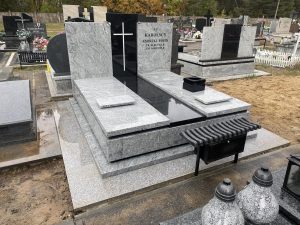
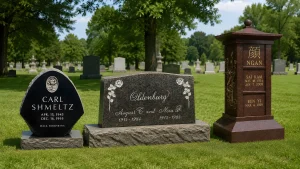
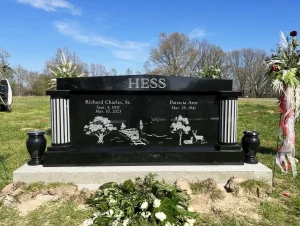
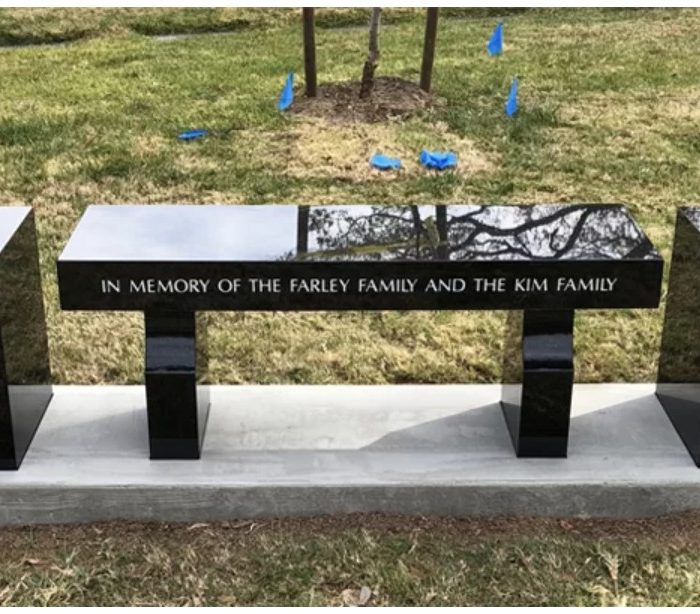
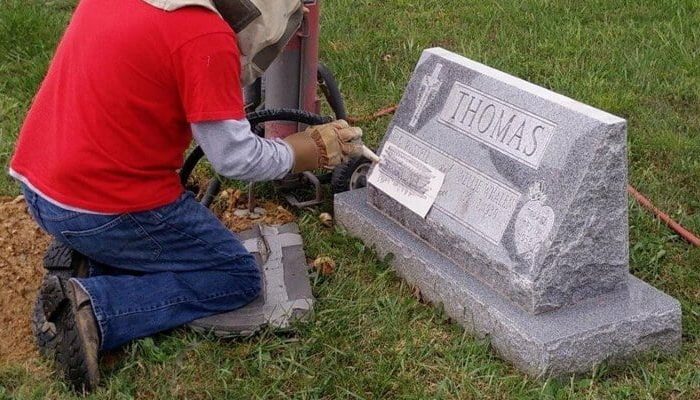
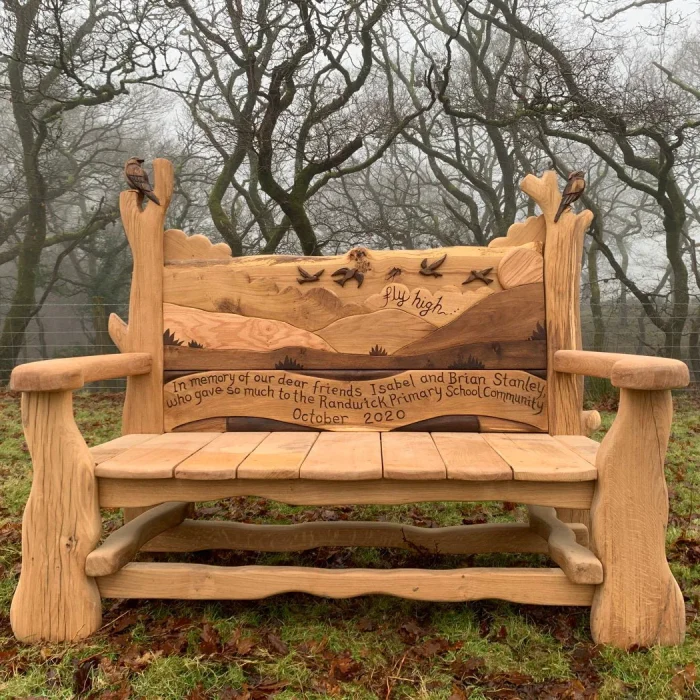
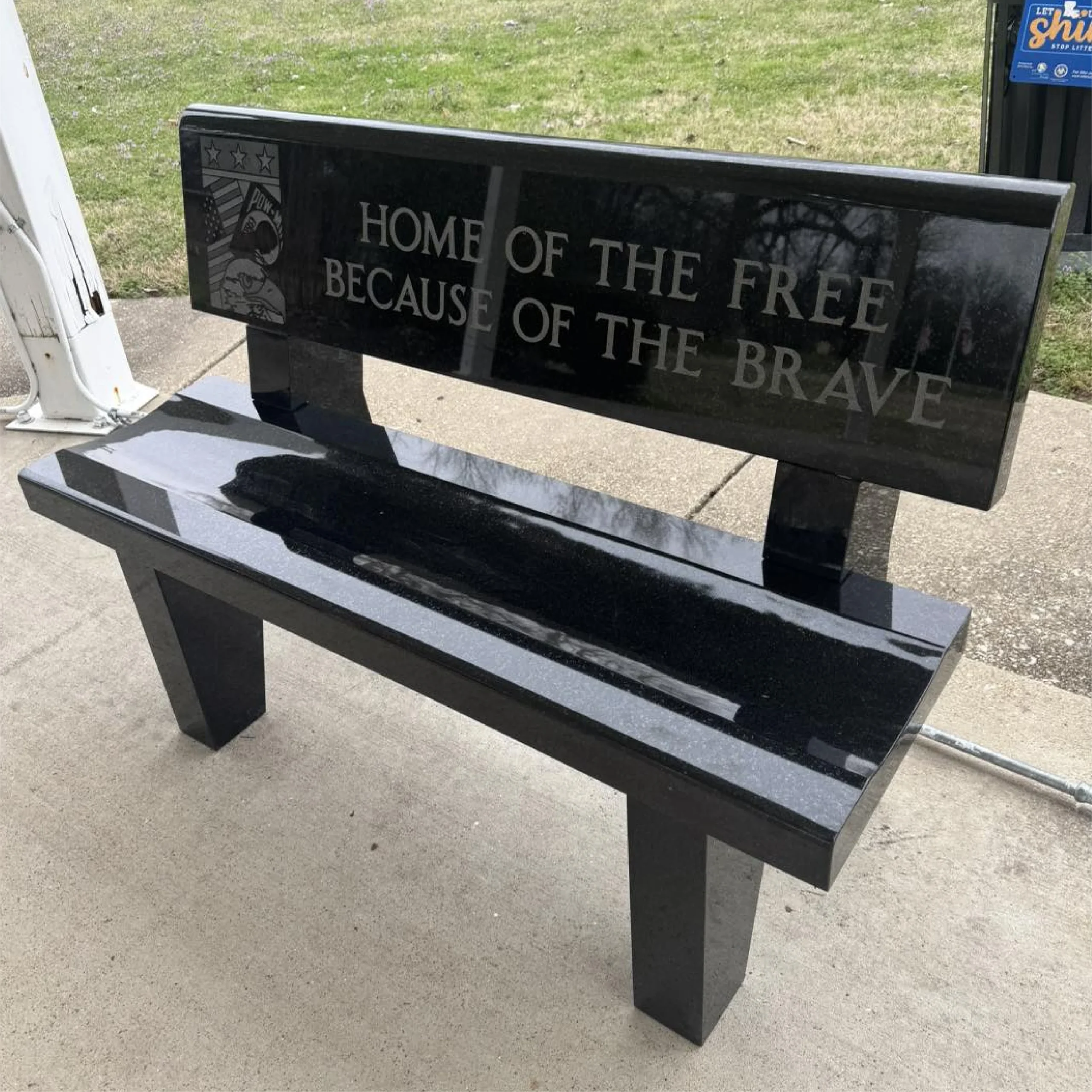
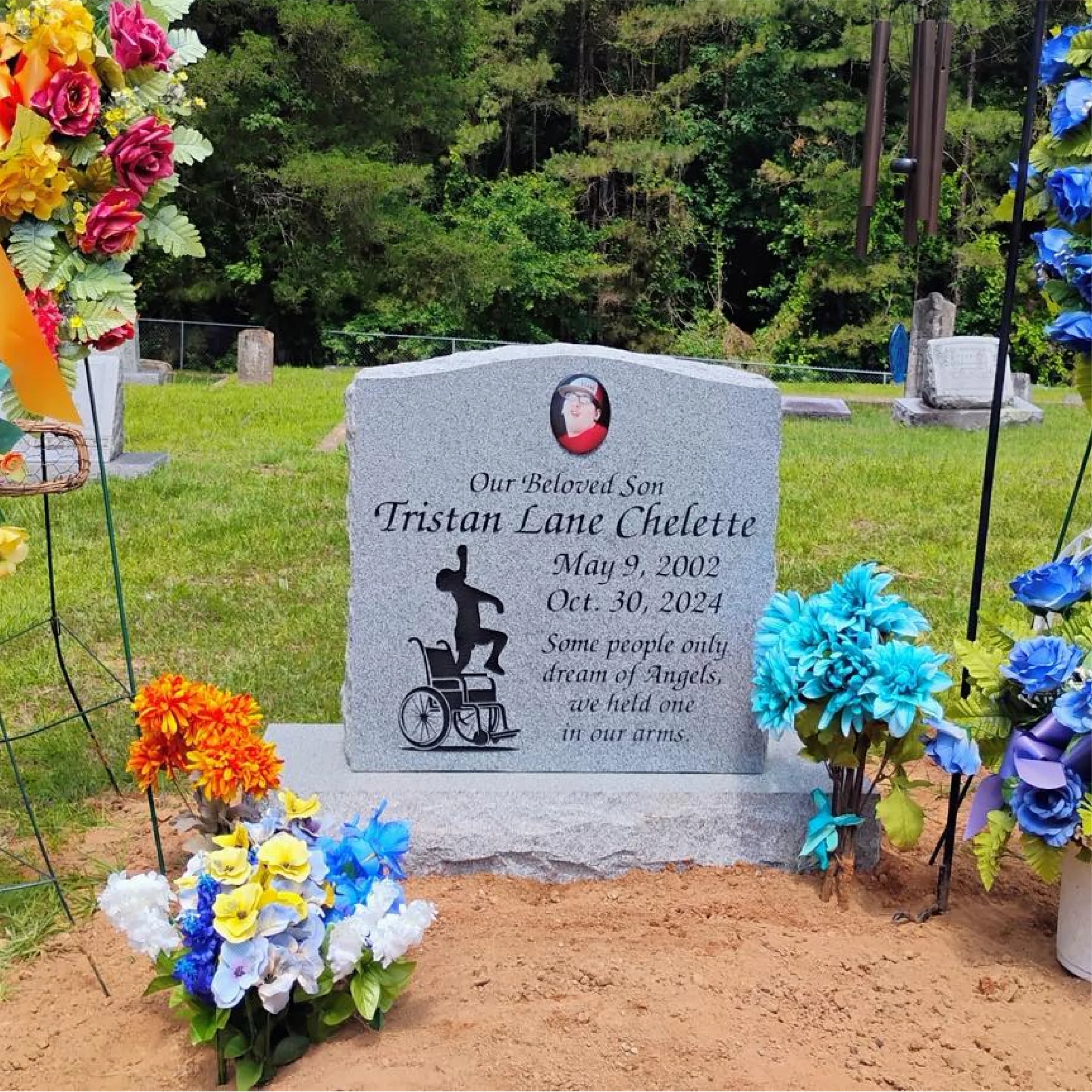
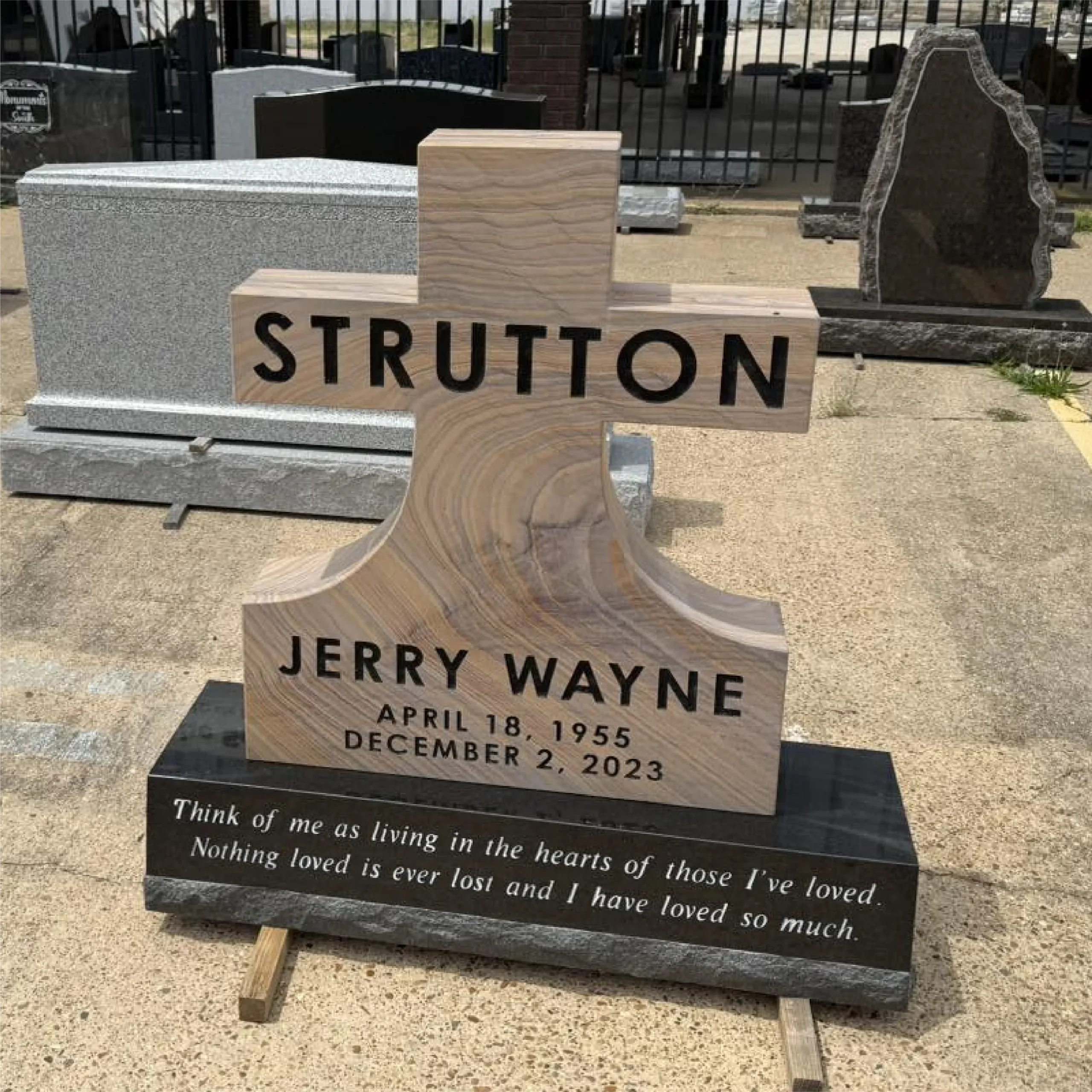
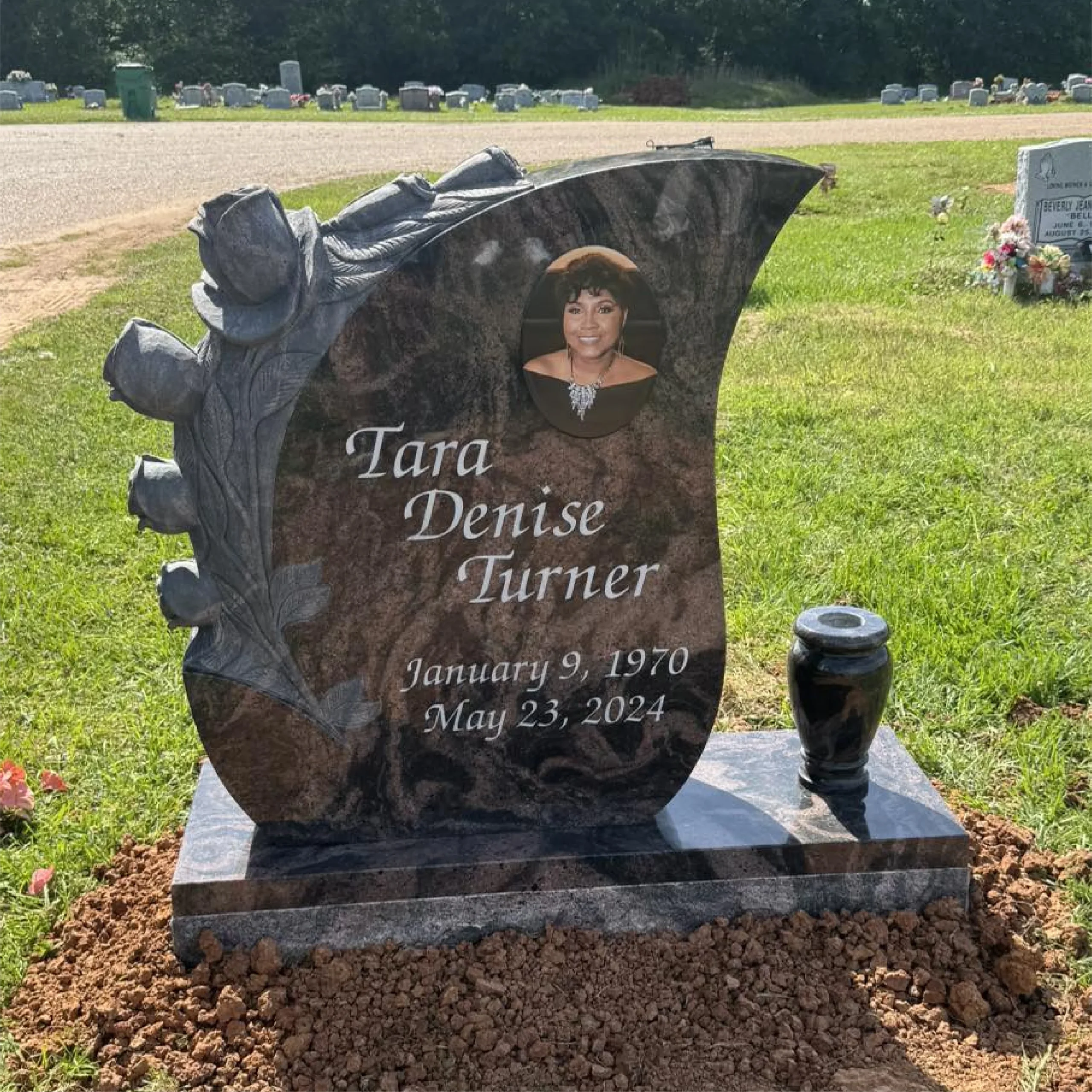
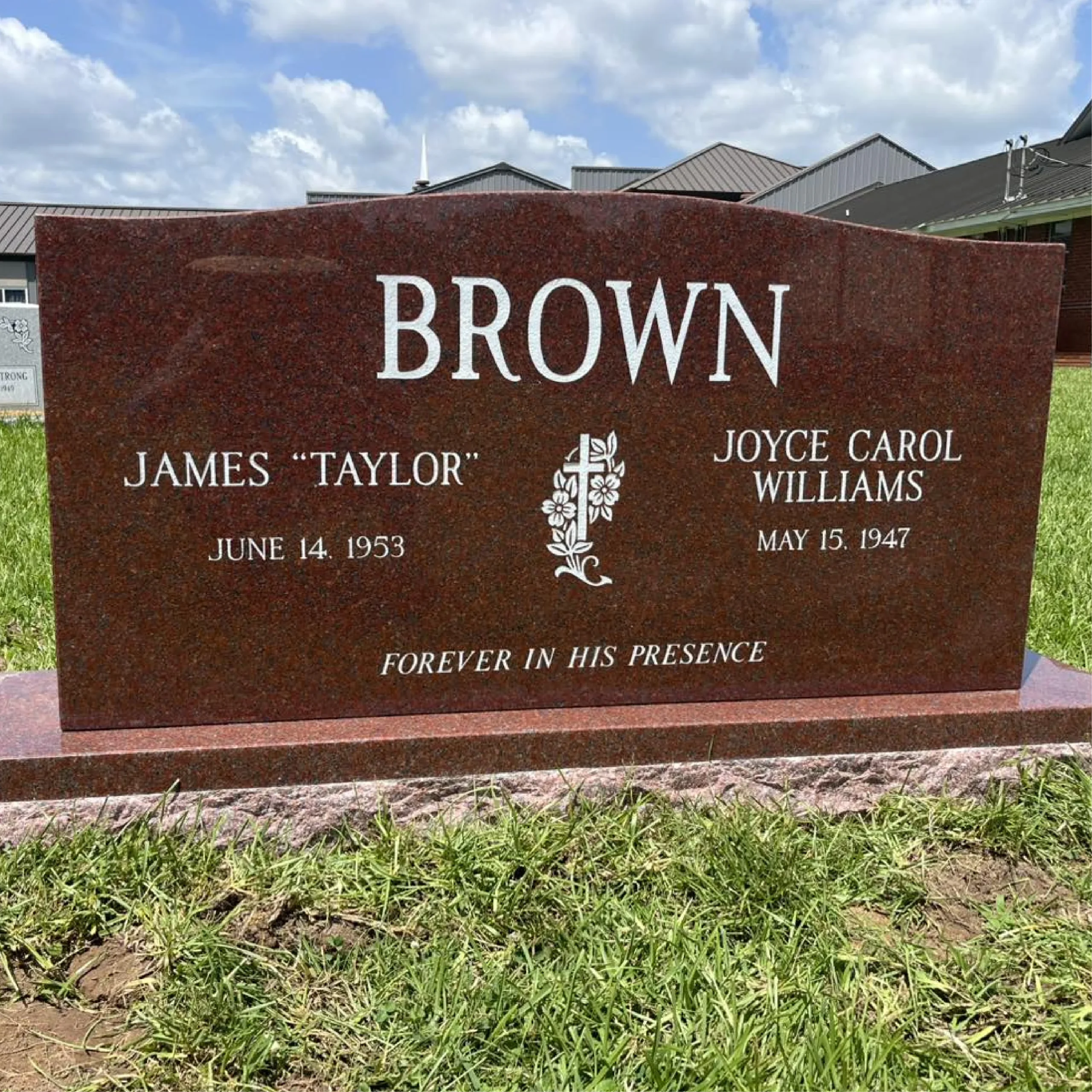
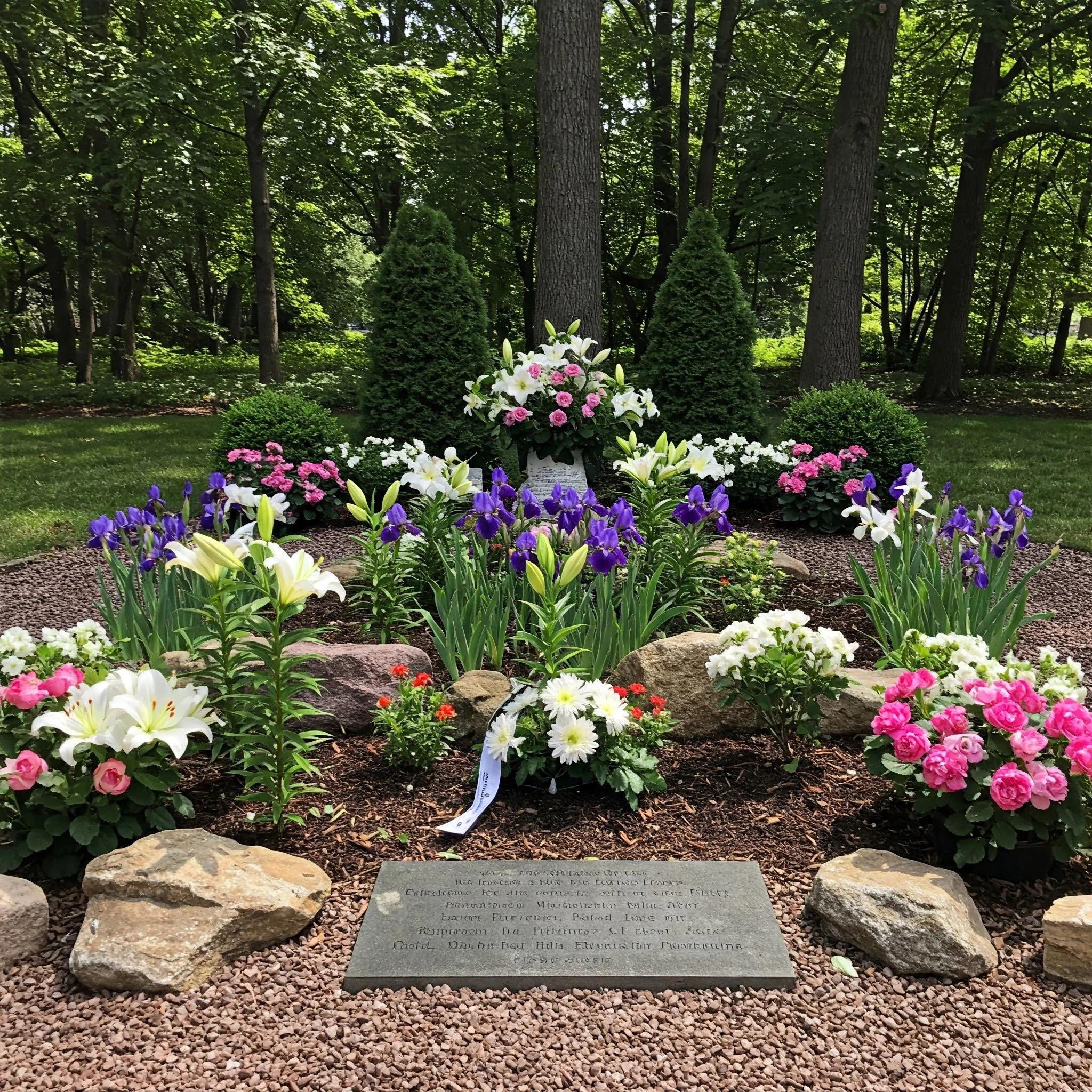
An outdoor tribute is another meaningful way to memorialize a loved one after cremation. A garden, tree, bench, memorial stone, or personalized monument can transform an outdoor space into a permanent place of remembrance.
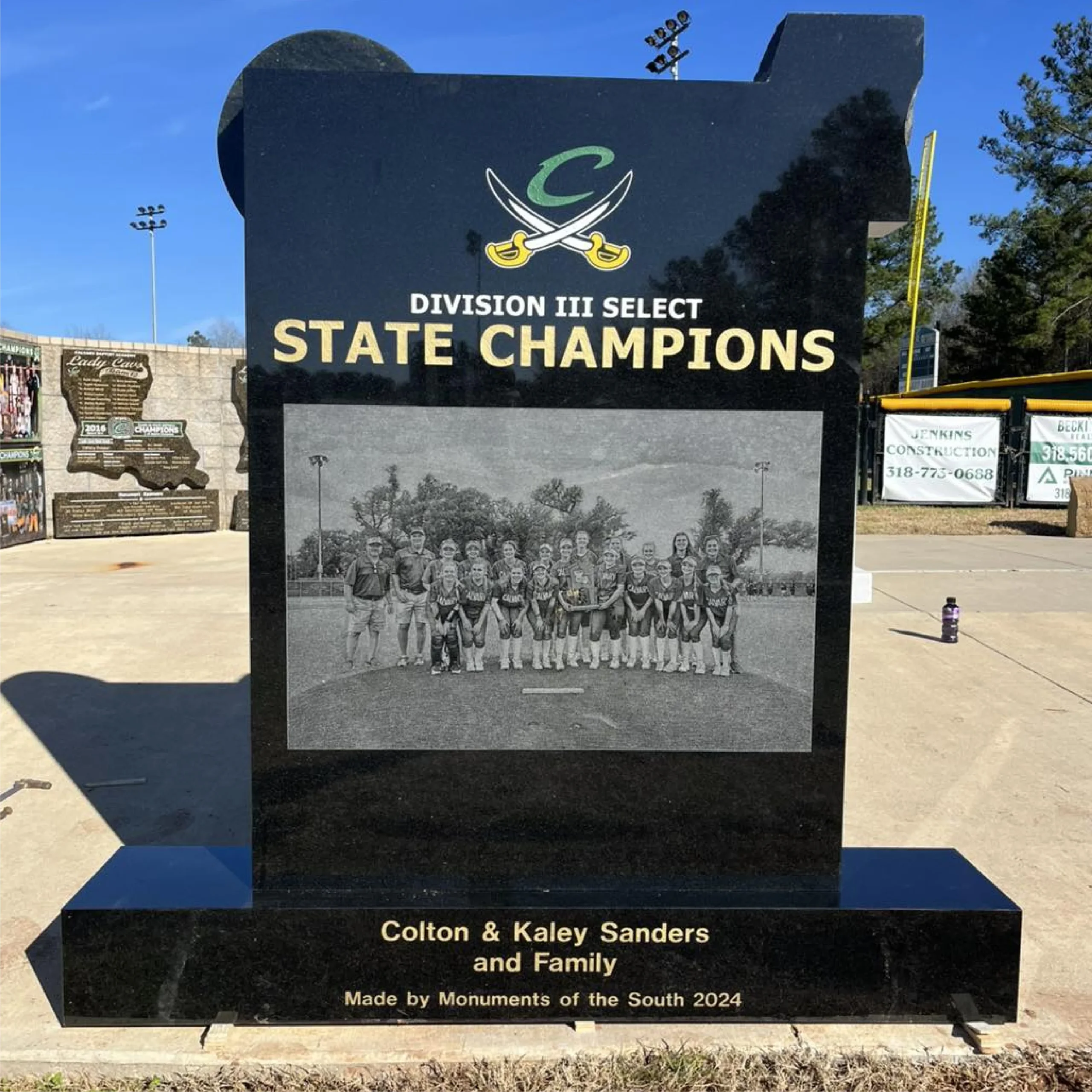
A memorial garden could include the person’s favorite flowers or plants. A memorial bench can provide a peaceful place for family members to sit and reflect. A personalized granite memorial can also create a durable tribute that remains visible for future generations.
When planning an outdoor memorial, consider weather conditions, maintenance requirements, location, and any cemetery or property regulations. If the tribute will be placed in a cemetery or public location, obtain approval before purchasing or installing it.


8
Plan a Personalized Memorial Service
A memorial service gives loved ones an opportunity to gather, share memories, and acknowledge the impact the deceased had on their lives. It can be held shortly after cremation or weeks, months, or even later.
When planning the service, start by deciding what feels appropriate for the family. Some families prefer a traditional ceremony, while others choose a casual gathering centered around food, music, photographs, and storytelling.
You might ask close friends and relatives to share a favorite memory or story. Creating a photo slideshow can also bring important moments back to life and give everyone an opportunity to reflect.
The location can be just as meaningful. A service could be held at a place of worship, family home, cemetery, favorite outdoor location, or another venue associated with the person’s life.
Consider a Permanent Memorial
Cremation does not mean a family has to give up the idea of a permanent memorial. A cremation memorial, niche, monument, plaque, or other lasting tribute can provide a dedicated place for remembrance.
For some families, having a permanent memorial makes it easier for future generations to learn about the person and visit a physical place connected to their memory.
At Monuments of the South, families can explore memorial options designed to create a lasting tribute that reflects the life being honored.
Frequently Asked Questions
What is the best way to memorialize someone after cremation?
There is no single best option. A home memorial, outdoor tribute, memorial service, cremation monument, or combination of these can all provide meaningful ways to remember someone.
Can you have a memorial service after cremation?
Yes. A memorial service is commonly held after cremation and can take place with or without the cremated remains present.
What can I include in a home memorial?
Photographs, an urn, personal belongings, flowers, candles, letters, awards, artwork, and other meaningful keepsakes can all be incorporated into a home memorial.
How can I create an outdoor tribute?
Consider a memorial garden, tree, bench, memorial stone, or personalized monument. Make sure you check property, cemetery, or local regulations before installation.
How do you help someone who has lost a loved one?
Be present, listen, offer practical assistance, and allow them to grieve at their own pace. Helping them preserve memories or participate in a meaningful memorial can also be valuable.
A Lasting Way to Remember
Memorializing a loved one after cremation is ultimately about preserving memories and celebrating a life that mattered. Whether you choose a home memorial, outdoor tribute, intimate gathering, or formal memorial service, the most important element is that the tribute feels personal.
At Monuments of the South, we understand the importance of creating a lasting memorial that families can return to for years to come. A thoughtfully designed memorial can preserve a loved one’s memory today while giving future generations a meaningful connection to their family history.